
Watching TV together can be tricky when two people have different preferences for volume. I noticed it with neighbors recently: he liked the volume loud and uninterrupted, she preferred a moderate level so she could answer the phone or rest her ears. For them, as for many households, the standard approach — cranking the volume until everyone can hear — wasn’t working.
It’s a common situation. One person struggles to hear dialogue clearly, while the other is bothered by the noise. Left unresolved, it can make what should be a relaxing shared activity uncomfortable for both.
A Simple Observational Solution
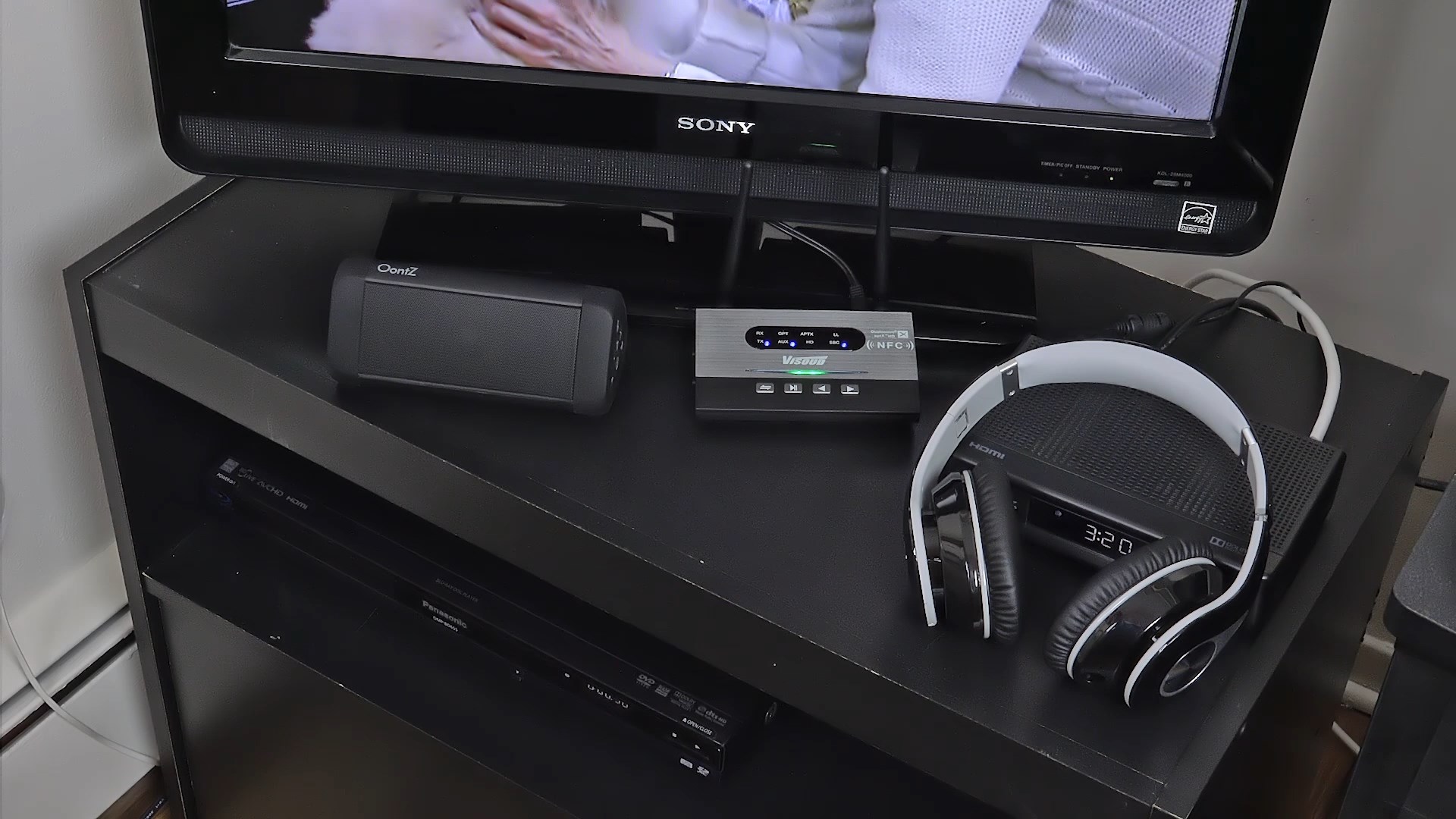
Modern TVs often include built-in Bluetooth, which makes it easier than ever to connect wireless headphones or speakers. Placing a speaker close to the listener or wearing headphones allows each person to enjoy the sound at a comfortable level without affecting the other.
For older TVs without Bluetooth, a small Bluetooth transmitter can bridge the gap. It sends the audio to wireless headphones, a speaker, or both, letting each viewer adjust volume independently. In practice, it’s not about the exact model or button sequence; it’s about enabling flexibility in the way we experience TV together.
With this setup, my neighbors now watch their favorite programs without compromise. He can keep the volume where he wants it, she can listen at her own level, and neither has to strain or shout. A small adjustment to the technology in the room has quietly improved their daily routines and comfort.
Reflections on Daily Life
Observing this solution unfold, it’s clear that the challenge isn’t just technical — it’s about how small tools can support independence and harmony in everyday life. Technology becomes most valuable when it adapts to people, rather than forcing them to adapt to it.
A simple device like a Bluetooth transmitter or wireless headphones may seem minor, but the effects ripple through routines: more relaxed TV time, easier communication, and less stress over shared spaces. Over time, these small accommodations quietly preserve comfort, independence, and connection, especially as hearing and mobility change with age.
Practical Notes Without the Overload
-
Most TVs today support Bluetooth; if yours does, a speaker or headphones can be paired easily.
-
For older TVs, a Bluetooth transmitter allows wireless audio for one or more listeners.
-
Each listener can control their own volume, avoiding compromise or frustration.
-
Small adjustments make a big difference — placing the speaker closer to one person or pairing headphones for another can transform the viewing experience.
These are observations drawn from real experience, not instructions tied to any particular brand or model. The principle is simple: technology should support the rhythms of daily life, not dictate them.
For anyone who prefers a visual walkthrough, our neighbors’ setup is shown in this brief video. It demonstrates how wireless headphones and a Bluetooth speaker can let each person control their own volume, keeping TV enjoyable for everyone:
VIDEO: Hear TV Without Disturbing Others
Even if you don’t watch the full video, the key idea is simple: small tech adjustments can quietly improve daily routines and comfort at home.