
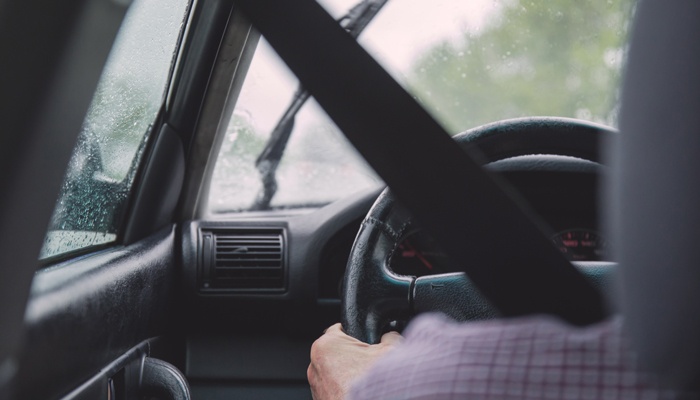
How old is too old to drive safely? Have you ever pulled up behind a slow, elderly driver and promised yourself you’d give up driving long before you reached that age? I have. And now, here I am — that age.
I once thought my mid-70s would be the moment I’d hand over my keys. But that time came and went, and I kept renewing my license. I valued the independence driving gave me. My habits were good. I paid attention. My reaction time felt solid. So I rolled right on into my 80s without much concern.
Then I read about a very old driver involved in a serious accident. It stopped me cold. I remembered that promise I’d made to myself — to stop before I was “too old to drive.” My next thought was the one that made my heart sink: Could that happen to me?
Was it time to seriously consider giving up driving?
Accidents and Older Drivers
Knowing when to stop driving can be a real dilemma for families. Even bringing up the topic may create anxiety on all sides. Some of us have been driving for 60 or 70 years. That’s not just a habit — it’s a way of life.
Many older drivers believe they are just as capable as they’ve always been, sometimes even better than younger drivers. However, research suggests fatal crash rates tend to rise after age 75 and increase further after age 80. Older bodies are also more physically fragile, making injuries more severe when accidents occur.
That reality can be uncomfortable to face, especially when no one wants to admit they might be putting themselves — or others — at risk.
How Aging Affects Driving
Getting older doesn’t automatically mean someone should stop driving. But age-related changes can gradually make driving more difficult.
Hearing and vision changes, slower reflexes, chronic conditions, medications, and even poor sleep can interfere with safe driving. These changes often happen so gradually that we may not notice them. Reaction times can lengthen. Peripheral vision may narrow. Arthritis can make turning the head or gripping the wheel more difficult.
Some people adjust by driving only during daylight or in good weather. That can help for a time. For some, however, even ideal conditions may eventually become challenging.
Vision and Hearing
Being able to see clearly and hear what’s happening around us is essential for safe driving. Sirens, horns, and sudden movement all require quick awareness. Vision changes and hearing loss may make responding in time more difficult.
Motor Skills
Muscle weakness and reduced flexibility can slow physical response. Sometimes the body simply doesn’t react quickly enough to brake or steer away from danger.
Medical Conditions and Medications
Certain health conditions may affect alertness, coordination, or judgment. Some medications can cause dizziness, drowsiness, or confusion — especially when combined with others. Even over-the-counter remedies may have unexpected effects as we age.
Regular checkups can help. Being honest with a doctor about any difficulties behind the wheel may provide helpful guidance about how long driving remains safe.
Is There Any Way to Keep Driving?
I had a friend whose children eventually took away her car keys in her late 80s. They were terrified she’d be hurt — or hurt someone else. It wasn’t an easy decision, but they felt they had no choice.
In some cases, a neutral third party may help. Professionals such as occupational therapists or driver rehabilitation specialists can evaluate an older adult’s driving ability through physical assessments and on-the-road testing. These evaluations may show whether someone can continue driving independently, benefit from training or vehicle adjustments, or should stop driving.
An outside assessment can sometimes reduce the emotional weight of a very personal decision.
Staying Independent Without Driving
Driving is about more than transportation — it’s about independence. Getting to appointments, shopping for groceries, and visiting friends help keep us connected. Losing the ability to drive can feel like losing part of ourselves.
I’m fortunate that my husband still drives well. There are also other options: rides from friends, local transportation services, and delivery options for groceries and prescriptions. These alternatives require adjustment, but they don’t have to mean isolation.
If you decide to stop driving, making a plan may help. Ask for support, arrange transportation options in advance, and stay engaged in the activities that matter to you.
Making the Decision
In some places, the decision is guided by age-based testing requirements. In others, the choice remains personal.
Talking with family members or trusted friends can help. Outside perspectives often bring clarity when emotions run high.
I haven’t had accidents or close calls. But my body has made the decision for me. Back and hip problems now make moving my foot from the gas to the brake slower than it once was. That alone has changed how I experience driving.
I’m grateful the choice was made for me — because I’m not sure I would have made it myself.
Driving, I’ve realized, is rarely only about skill or reaction. It’s also about timing, awareness, and the spaces we navigate — how they converge, quietly shaping the way we move and the choices we make.
Photo credit: Pexels | freestocks.org