
Food used to fit more easily into my days.
I could bring things in from the garden, wash them, prepare them, and put them away — all in one stretch.
At some point, that stopped working.
I didn’t notice it all at once. I just started slowing down. I needed more breaks. Tasks that used to move from start to finish in one go began stalling halfway through. Food was one of the first places this showed up.
I didn’t stop caring. I just couldn’t do it the same way anymore.
What surprised me was how easily food could have slipped into the background. When energy is limited, it’s tempting to default to whatever takes the least effort and call it good enough.
Instead, I realized I needed to change how I did things, not give them up entirely.
The biggest shift was simple:
I stopped trying to do everything in one day.
Spreading things out changed everything.
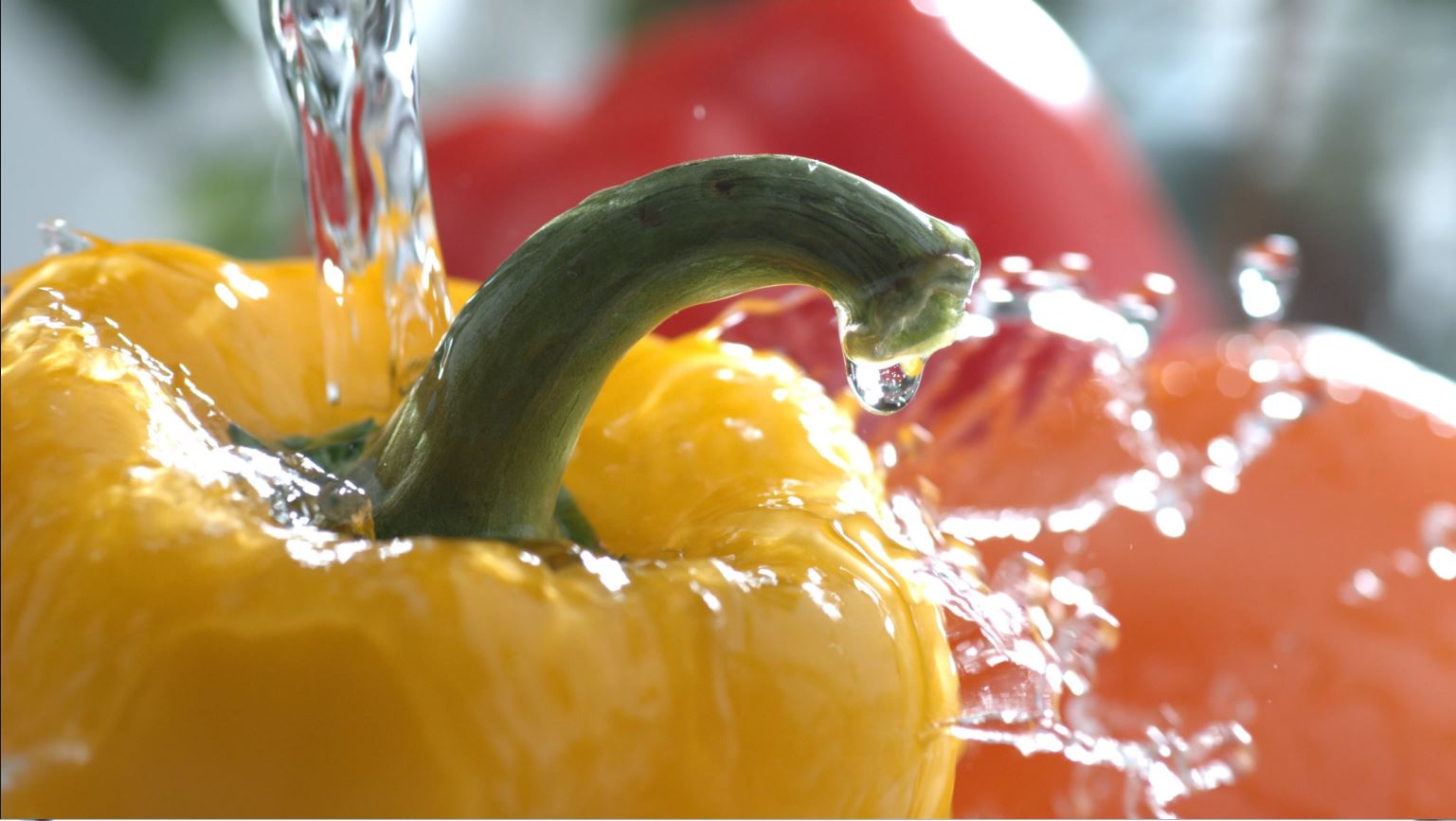
Now, when produce is ready, I’ll pick and wash it one day and put it in the refrigerator. The next day, I’ll prepare it, a little at a time, and put it away for later.
Nothing fancy. Nothing heroic.
Just allowing myself more than one day made it possible to keep doing something that still mattered to me.
The same approach works for everyday food. When part of the work is already done ahead of time, meals don’t feel as demanding when it’s time to eat.
For me, that often means freezing portions once they’re ready. It lets me spread the effort out without worrying about food sitting around, and it gives me options on days when cooking feels like too much.
What this looks like now

These days, food is a mix:
Some homegrown.
Some prepared ahead when I have the energy.
Some packaged or ready-made when that’s what the day allows.
I don’t try to make this consistent or ideal. I just try to keep food from disappearing entirely under the weight of fatigue.
Freezing portions, breaking tasks into smaller pieces, and doing one thing at a time lets me stay involved without overdoing it.
Even holidays got simpler
Holidays used to mean long days in the kitchen. Now, if I’m cooking for something special, I spread the work out over days or even a week and freeze the results.
One dish at a time.
One day at a time.
By the time the day arrives, there’s less pressure and more room to actually enjoy it.
What stayed important
This isn’t about eating a certain way or following rules.
It’s about noticing when something starts to slip away and finding a gentler way to keep it close.
For me, that meant adjusting my pace instead of letting food become one more thing I couldn’t keep up with.
If food has started to feel heavier — not emotionally, just practically — it might help to know you don’t have to do it the way you always did.
Sometimes, stretching things across days is enough.
If you enjoyed this, you might like to read more from our Exploring Life as it Evolves: Essays, Reflection, Perspective series.
Excellent read!! Learned a lot of new tips 🙂
Thanks, Sandra!