
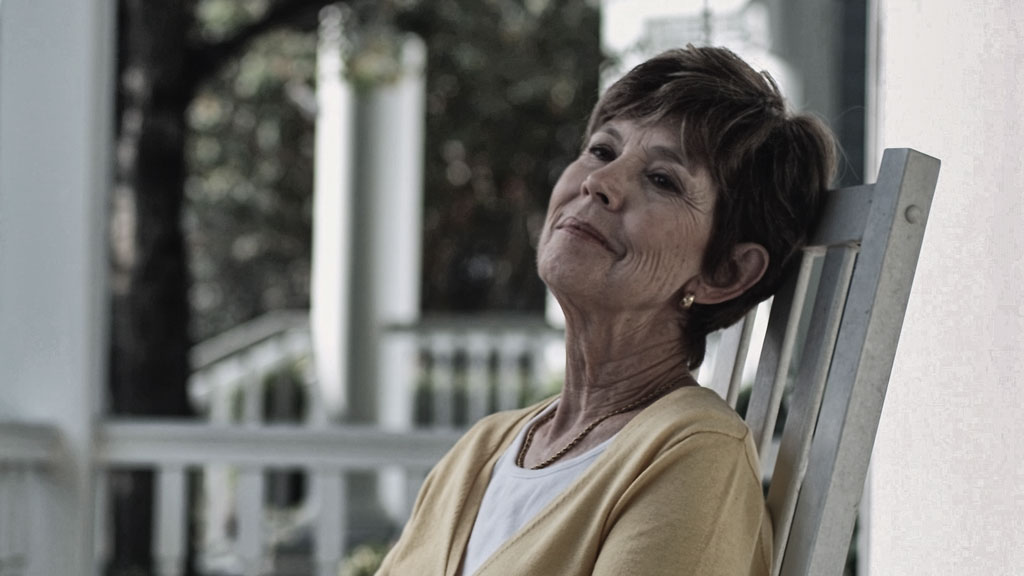
It’s never been easier to reach out and touch someone, yet I notice how quiet life can feel as the years go by. Connections that once seemed effortless now require intention.
Growing up, society seemed to guide our interactions. Family, schoolmates, and neighbors provided a rhythm of friendship and responsibility. Saturdays meant shopping trips with friends and family, Sundays brought familiar faces at church, and evening bridge games or book clubs kept weeks full of conversation and laughter. Even old age felt connected — grandparents living with family and relationships layered with decades of shared experience.
Now, the world is different. Technology allows instant contact, yet the same tools that keep us connected also make it easy to remain alone. Life moves differently as we age. Friends relocate, children grow independent, homes downsize. The days sometimes feel quieter, our routines smaller, our roles less defined.
Even with all the gadgets and apps, I’ve realized that staying connected takes effort. A quick phone call, a text message, or a video chat can bring unexpected warmth. When our kids introduced us to the Internet in our 60s, it was fun to email photos or browse online. Then smartphones made staying in touch even simpler — a quick video of a grandchild baking cookies, a shared picture of a garden bloom, a text to say “thinking of you.”
Visits from family can become little projects. Kids might interview grandparents about old family stories or help create a photo book. A smartphone can capture these moments on video — cooking together, sharing memories, laughing over old stories. The project itself becomes a bridge, connecting generations while giving everyone a sense of purpose.
Simple gestures matter, too. Bringing a cup of tea, listening without rushing, helping with small errands — these acts of attention remind us we are part of the world around us. They matter more than we realize.
We adapt, too. I find that when I schedule connections — a weekly call, a planned visit — the days feel fuller, quieter loneliness recedes, and I can be present with the people who matter. Patience helps on both sides. Some of us move slower, hear less sharply, or find the outside world daunting. Yet the effort, even if small, is felt and appreciated.
Loneliness is a quiet teacher. It shows what we value and nudges us to seek out connection. For me, it has meant embracing both old routines and new ways to stay involved. Sharing a laugh, a story, or even a quick text reminds us: we belong.